
Whoa! I opened Phantom for the first time and it felt…slick. The UI is clean, and somethin’ about the animations made me grin. My instinct said this would be easy to explain to friends who only know MetaMask. Initially I thought it was just another wallet skin, but then I realized the integration depth with Solana dApps actually changes how you interact with the chain.
Seriously? Yep. The extension streamlines account management, token swaps, and NFT interactions in a way that feels native to browser workflows. On one hand it’s convenient; on the other hand that convenience invites sloppy habits—like approving signatures without reading them. I’ll be honest: that part bugs me, because phishing isn’t always loud and obvious.
Okay, so check this out—installation takes two minutes on a decent connection. You add the extension, create or restore a wallet, and you’re in. But actually, wait—let me rephrase that: setup is fast only if you already understand seed phrases and how to back them up securely. If you’re brand-new, the UI can lull you into false confidence, and trust me, that’s where people slip up.
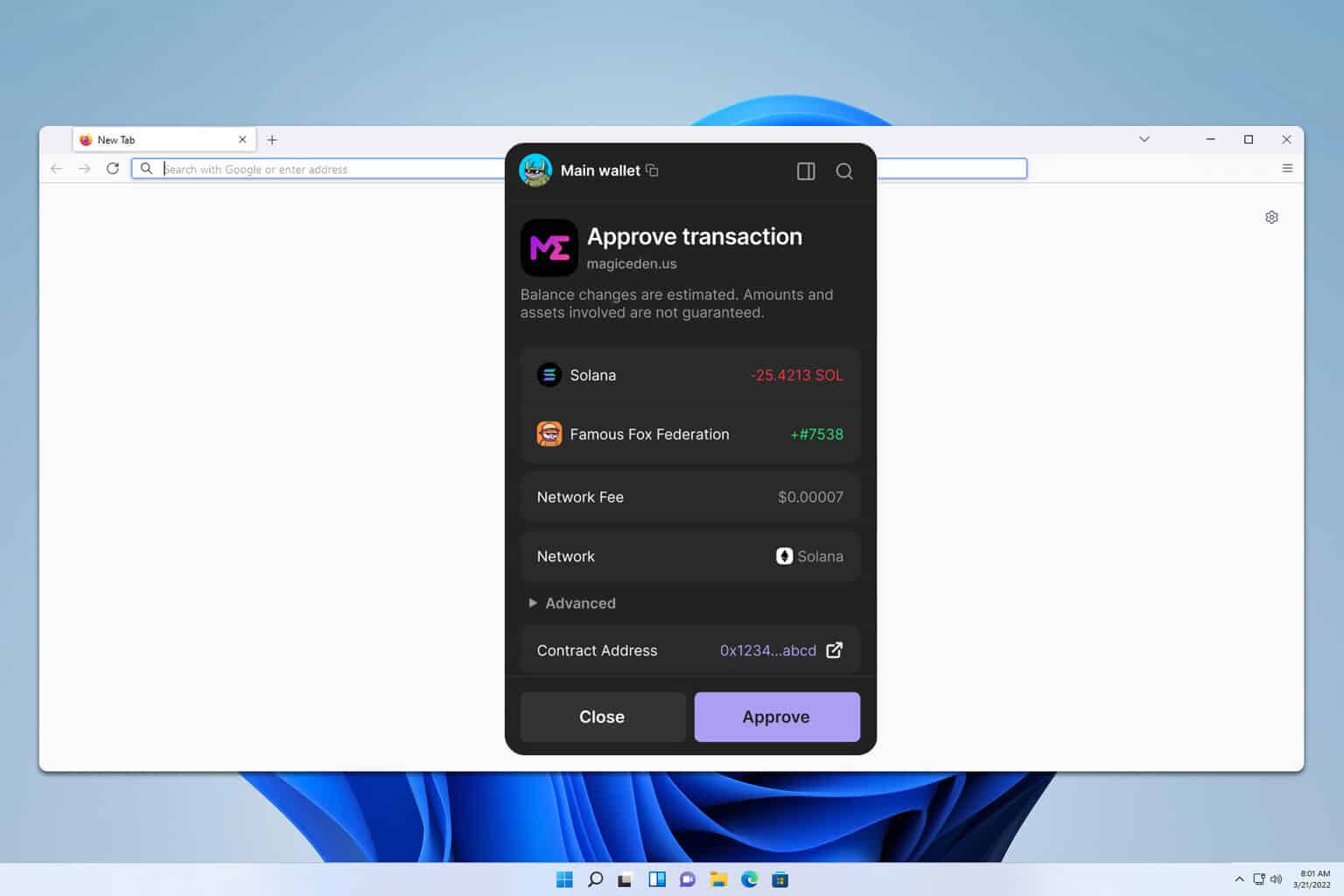
Why browser extensions matter for Solana users
Quick take: browser wallets are the bridge from web pages to on‑chain actions. They inject a provider, manage keys, and pop up when a dApp needs a signature. My experience with Phantom shows that when the extension is done right, interactions are fast and predictable. Long transactions can still happen, though—and sometimes the network fee logic surprises you if you don’t watch it closely.
Here’s the nuance: Solana’s transaction model is different from Ethereum’s. Fees are lower and confirmations faster, which makes extensions feel snappier. But lower fees also mean attackers can spam. So user vigilance remains crucial. Something felt off about certain new dApps I tested recently; they requested unusual accounts access, and my gut said hold up.
On a practical level, extensions are also where UX design matters most. Phantom nails basic flows—send, receive, sign—but edge cases like multi‑signature or program accounts are still a bit clumsy. I’m biased toward wallets that offer clear signing context, though some devs hide useful hints in tooltips that people miss.
Security: what Phantom gets right (and what to double‑check)
Wow! You do get hardware wallet support. That was a major relief the first time I paired a Ledger. The extension recognizes the device and shows accounts cleanly. Still, the pairing process involves permissions and a few trust decisions; read prompts slowly. Honestly, if you rush this, you’ll regret it.
Phantom isolates keys in the extension storage and scopes requests per site, which is good. On the flip side, browser extensions inherit the browser’s attack surface—malicious extensions, compromised update channels, or a phishing site can still cause trouble. On a trip to a cafe in Brooklyn I once saw someone approve a request without reading—so I’ve adopted a ritual: breathe, read origin, check the transaction amount, then sign.
One practical tip: use a separate browser profile for your main wallet activity. Keep dev tools and risky extensions out. This reduces cross-extension leakage and accidental approvals. It’s simple, and frankly very effective.
UX quirks and wallet hygiene
Hmm… the notification flow is mostly great, but there are moments where confirmations stack up. You get a batch of popups and then it’s easy to mindlessly click through. My working rule: never sign more than one action at a time when money is involved. It sounds obvious, but in practice it’s hard to enforce.
Phantom attempts to give context for transactions, though not every dApp supplies metadata. When metadata is missing, the extension shows raw instructions. That can be intimidating. On a recent day of testing, a complex staking dApp sent multi‑instruction TXs and I had to decode intent manually. Not ideal, but doable if you’re curious and patient.
Something else: network switching is smooth, but custom RPCs require care. Adding a community RPC can speed you up, yet a misconfigured node might give stale data. Use reliable public endpoints unless you have a reason to change them—this is very very important.
Best practices I actually follow
Whoa! Backups first. When you create or restore a wallet, write down the seed and stash it in two physical places. Digital backups are convenient, but they can be compromised. My instinct said “cloud sync?” and I’m like—nope, not for seeds.
Use a hardware wallet for large balances. Period. For day‑to‑day toy trades or NFTs, the extension is fine, but big money belongs on a device you control offline. Also—rotate small amounts through new addresses when interacting with unfamiliar dApps. It’s a slightly annoying habit, but it limits exposure.
One trick I like: create a “hot” wallet for small bets and a “cold” wallet for savings. Move funds through signed transactions rather than storing everything in one place. This separation helps when you need to revoke approvals or diagnose where a problematic approval came from.
Common pitfalls and how to avoid them
Phishing is the slow, sneaky enemy. Attackers clone dApp frontends and send social posts with links that look legit. Always confirm the domain. If the prompt looks odd, close it and go to the dApp manually. Sounds repetitive, I know, but repetition builds habits.
Also watch for allowance fatigue—repeatedly approving token transfers to a contract without checking expiry or limits. Phantom shows approvals; read them. Revoke unnecessary allowances periodically through token managers. I’m not 100% sure every user will do this, but I try to make it a monthly chore.
Oh, and by the way… social engineering can bypass technical protections. If someone messages you claiming support, do not share seed words or approve random popups. Ever. Ever. (Yes, that’s two evers… but you get my point.)
Installing Phantom safely
If you want to get Phantom as an extension, start at a verified source. A convenient place to start is here. Download from the official store or the project site, verify the publisher, and check recent user reviews if something feels off.
After installation, create a new wallet and write the seed down offline. Confirm the wallet by restoring it on another device if you can. It sounds like extra effort, but trust me—recoverability is priceless. And again, don’t take screenshots of your seed; that’s a common mistake.
FAQ
Is a browser extension wallet like Phantom safe for NFTs?
Yes, for small to medium transactions Phantom is fine. NFTs often require signature approvals that are one‑time, but read the approval details—some contracts request wide permissions. For high‑value NFTs or collections, consider using a hardware wallet or an intermediary multisig setup. If you’re buying lots, spread purchases across accounts and keep records.