
Okay, so check this out—I’ve been messing with wallets since before DeFi was a household word. Wow! At first it felt like playing whack‑a‑mole: one app for tokens, another for NFTs, and a third for staking. My instinct said this was temporary. Initially I thought juggling five apps was just part of being an early adopter, but then reality hit. Managing assets across chains without a single view is a recipe for mistakes, missed yield, and honestly, a lot of stress.
Here’s what bugs me about the current landscape. Seriously? You can hold the same token on three chains and not even notice which chain is getting yield. That feels risky. Users tell me they lose track of rewards, or forget a small allocation staked on some L2 that suddenly moons. On one hand it’s exciting—free market innovation. On the other hand it’s unnecessarily messy, and that mess leads to errors. I’ll be honest: somethin’ about that bothers me.
Why combine a portfolio tracker, a multi‑chain wallet, and staking support? Put simply: visibility, control, and opportunity. Short version—see everything, act from one place, and capture yields without hopping around. Long version—when your app ties transaction history, token balances, and active stakes into one timeline, you get better tax prep, smarter rebalancing, and fewer surprise gas charges because you can plan transactions instead of reacting. Oh, and by the way… that planning saves money over time.
What a modern integrated wallet should do (and why most don’t)
Right off the bat, an integrated wallet needs a single source of truth. Short sentence. It must aggregate balances across EVM chains, Bitcoin, and popular L2s while normalizing prices and token metadata. Medium sentence that explains the point plainly. It should also show pending rewards, lockups, unstake windows, and historical yield—because those things matter when you’re deciding to move funds. Longer thought that ties the features to user decisions and maybe hints at the tax implications for US users, who often need that transaction history in a hurry.
Many wallets stop at “send/receive.” That ain’t enough. Some add staking, but only for native tokens. Others have trackers, yet require manual import. The result is very very fragmented workflows. My working rule: if you have to export CSVs from three different places just to see where you stand, you’ve lost time you could be earning yield instead. Trust me, I tried that for months.
So what do you look for? Speed, clarity, and permissioning. Short. The app should let you connect read‑only to chains for quick audits, and let you sign only when you want to move or stake. Medium. And it should warn you about cross‑chain complexities—bridges, wrapped assets, rebase tokens—because those are the subtle traps new users fall into. Longer—especially when gas spikes happen, a good wallet nudges you to consolidate or delay transactions in ways that matter.
Staking support—more than just a button
Staking isn’t one thing. Whoa! Some protocols lock tokens for months. Others offer liquid staking derivatives. Some require on‑chain governance votes to withdraw. Medium explanation. A wallet that “supports staking” should present those tradeoffs up front and calculate APY in real terms—compounding frequency, lockup penalties, and historical slashing events if applicable. Longer sentence that discusses how different staking primitives affect expected returns and risk.
Also, it’s not enough to show the current APY. You need projected rewards, tax lots, and an easy unstake flow that references network timings. I once missed a withdrawal window because the UI didn’t show a cool‑down timer. That one still bugs me. Small, annoying mistake. It cost liquidity at an inconvenient moment.
Here’s a practical note: if you’re using a multi‑chain wallet for staking, make sure it supports contract interactions for non‑native protocols. Some wallets only speak “simple staking” and choke on more complex DeFi strategies. Don’t be that person surprised when your staking reward never appears where you expected it.
How a portfolio tracker changes your behavior
Behavior changes with visibility. Short. When you see realized versus unrealized P&L across chains, you make different choices about rebalancing. Medium. When a tracker highlights that 40% of your rewards are stuck on a chain you rarely use, you might move them, or adjust exposure—both are rational reactions that lead to better outcomes. Longer—there’s also an emotional component: clarity reduces panic selling during volatile periods.
I’ve noticed that users who use an integrated tracker tend to be more experimental, paradoxically. Why? Because the perceived overhead of trying a new chain drops when the app automatically consolidates the view. That lowered friction increases on‑chain experimentation while keeping risk manageable. (Oh, and by the way, you still need to do your own research—DYOR—never leave that off the checklist.)
Concretely, you can set alerts for yield thresholds, for token price moves, or for unstake windows. Those tiny nudges are the difference between passive neglect and active portfolio stewardship. Not to be dramatic, but it’s kind of a game changer.
Real usage story — a quick case
I’m biased, but I had a friend who almost lost months of staking rewards due to a mismatch between token wrappers on two chains. She thought they were interchangeable, and they weren’t. Initially I suggested manual audits. Actually, wait—let me rephrase that—what helped most was a wallet that flagged the mismatch and pointed to the canonical contract. That saved the rewards. Simple? Yes. Important? Very.
That experience made it clear that a good wallet isn’t just UX polish. It needs protocol‑aware intelligence. Longer sentence connecting UX to on‑chain semantics and the kind of help a wallet can provide when the user is about to make a mistake.
Okay, so if you’re shopping for a wallet, here’s a short checklist: multi‑chain aggregation; per‑chain staking tools; transaction history export; price normalization; and clear UI for bridging and wrapped assets. Medium. If it also includes hardware wallet integration and granular permission controls, that’s gravy. Longer—security features like address book whitelisting and phishing detection are now table stakes, not optional.
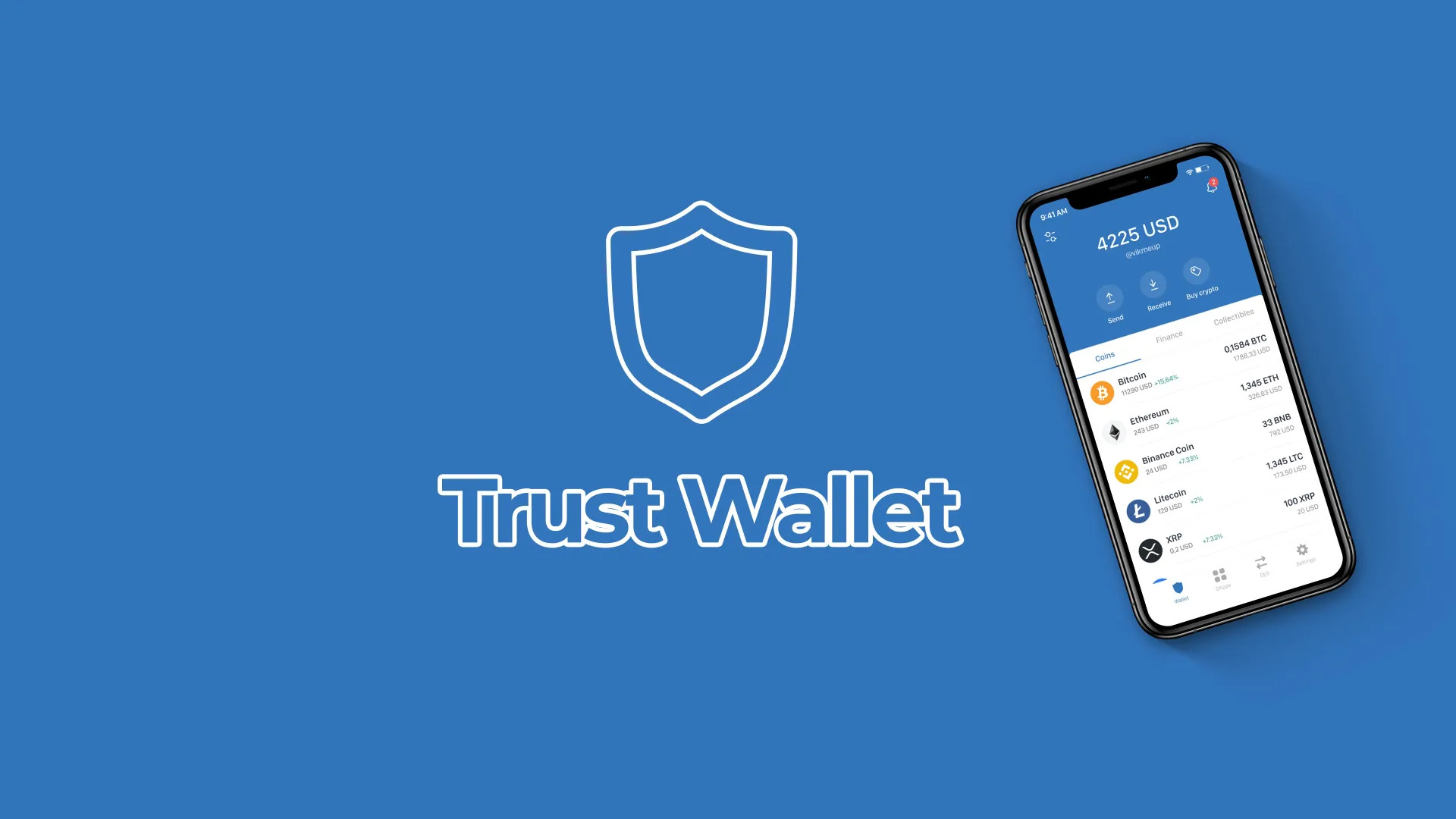
If you want to try one that blends these features with a clean, user‑focused design, check out truts wallet. It’s not gospel—I’m not saying it fits everyone’s needs—but it’s one of the better experiences I’ve seen that ties portfolio tracking, multi‑chain custody, and staking into a single flow. I’m not 100% sure it will be perfect for you, though; always test with small amounts first.
FAQ
Do I need a portfolio tracker if I use only one chain?
If you truly only ever use one chain and one type of token, maybe not. Short. But most users drift. Medium. A tracker helps spot orphaned positions and tracks staking rewards that might otherwise be invisible. Longer—it’s insurance against human forgetfulness, and honestly that’s worth a small convenience cost.
Is staking riskier through a multi‑chain wallet?
Not inherently. Short. The risk comes from misunderstanding the protocol: lockups, slashing, and the token economics. Medium. A good wallet reduces risk by surfacing protocol details and providing clear unstake timers. Longer—ultimately you bear the protocol risk, but a smart UI reduces operational mistakes.